
Blog
What to Do If You Think You Might Have a Parasite: A Helpful Guide

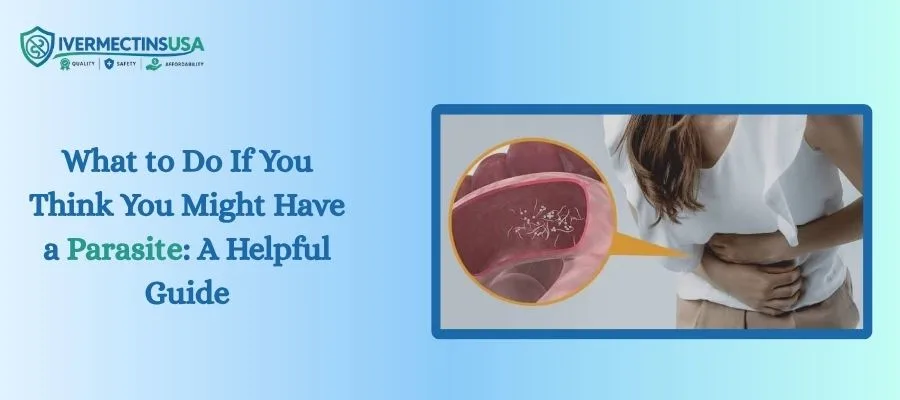
Parasite infections are caused by worms, amoebas, and other tiny organisms that can be transmitted by food and water, infected soil, and animals and people. Some people experience no symptoms; others get sick with digestive problems and extreme fatigue.
People can become aware of a parasitic infection by noticing symptoms, but more often, the infections are suspected based on travel, sexual history, or recent illnesses. It’s also possible for healthcare professionals to miss parasitic infections during an exam. A person could feel generally better after treatment and testing.
Symptoms of Parasitic Infections
Parasitic infections can cause a variety of problems based on the organs that are infected. Some common symptoms include:
- Abdominal pain
- Diarrhea or loose stools
- Nausea or vomiting
- Fatigue or weakness
- Unintentional weight loss
- Stools with blood or mucus
- Itching of the anus (pinworms)
These symptoms can also be caused by other conditions. Parasitic infections can also mimic the symptoms of the flu, irritable bowel syndrome, and food poisoning.
What About Cyclospora?
Cyclospora cayetanensis is a microscopic parasite that causes an intestinal infection called cyclosporiasis. Fruits and vegetables have been the primary sources of food related outbreaks. Other symptoms include diarrhea, loss of appetite and weight, nausea, and bloating.
The incubation period for this infection is often long; symptoms can start a week after exposure and can come and go. Stool tests can confirm the infection and guide treatment.
How Do People Get Parasites?
There are multiple methods by which parasites can be introduced to the body. Some of the most common are:
- Drinking unclean water
- Eating undercooked or raw foods
- Poor hand hygiene
- Direct contact with contaminated soil
- Traveling to endemic areas
- Direct contact with infected people or animals
Improving sanitation and food handling practices should minimize the risk of infection.
What Are Human Parasites?
Human parasites are organisms that live in or on a host, and derive their nutrition from it. Based on their structure and organization, human parasites can be divided into three main groups:
- Protozoa: These are microscopic organisms, such as Giardia, Cyclospora and Cryptosporidium.
- Helminths: These can be divided into roundworms, tapeworms, hookworms and other worms.
- Ectoparasites: These include lice, ticks and mites.
In order to appropriately treat the different types of parasites, they must be accurately identified.
How Are Parasites Diagnosed?
You should see a doctor if you suspect you are infected. The doctor will ask questions regarding your symptoms and how long you have had the symptoms. They may also ask about recent travel, contact with animals or people, food and water exposure and your medical history and medications.
Due to the various reasons for the symptoms, you may be referred to a gastroenterologist or an infectious disease specialist for further tests.
There are various diagnostic tests that can be done to identify parasitic infections.
Diagnostic Testing
- Stool exams can be done to look for parasites or their eggs. This may require collecting several stool samples over a period of time.
- Blood tests may be done to check for the presence of parasites or their antibodies.
- Tape test: A healthcare worker may suggest a test using sticky tape to check if there are pinworm eggs around the anus.
- Imaging and endoscopy: Other tests that may be offered if there is concern that symptoms are due to another cause, are imaging (e.g. ultrasound, CT or MRI) or endoscopy.
Not every test is needed for every person. Your clinician will select the most appropriate test based on your symptoms and condition.
Do Parasite Cleanses Work?
There is no reliable data to show that parasite cleanses, herbal remedies and detox products available online can help eliminate human parasitic infections.
These products may have a harmful effect on your health.
Stool that looks clear after a cleanse may be mucus. Do not assume that something you notice is a parasite. Consult your healthcare professional.
How Are Parasitic Infections Treated?
The treatment for a parasitic infection depends on what type of parasite causes the infection, how severe the infection is and other factors.
Different parasitic infections require different medicines and treatments. Some infections may require treatment for a long time, while others may require a short course of treatment.
Avoid the use of unverified online products and veterinary medicines for human parasitic infections. Complete the treatment that your healthcare professional recommends.
Can You Prevent Parasites?
There are practices that reduce the chances of being infected with parasites, including:
- Wash your hands with clean water and soap after using the toilet and before preparing or eating food.
- Drink water that is treated or safe.
- Wash fruits and vegetables.
- Cook meat until it is thoroughly done.
- Wear shoes when walking on soil that may be contaminated.
- Wash your hands after contact with animals or soil.
- Keep your pets clean and follow your veterinarian’s recommendations.
When traveling, follow the recommendations for food and water safety in the areas where parasitic infections are more common.
If You Think You Might Have a Parasite
- Stay calm if you suspect that you may have a parasitic infection, and take the following steps:
- See a healthcare worker: If you are not sure what is wrong, explaining your symptoms may help you determine what is going on.
- Describe your potential exposure: This may include travel, food and water risks, and contact with animals.
- Get proper testing: Depending on your potential exposure, your healthcare worker may recommend stool, blood, or other tests.
- Take the recommended treatment: The healthcare worker may prescribe medication to treat a potential infection.
- Try not to take “cleanses” or “detoxes.” These products will not help you, and they may delay you from getting the medical care you need.
- Go to an emergency room if you have severe symptoms or concern that you may have a serious infection.